What does my development setup look like in 2026? I’ll share some of my favorite tools here.
Neovim
I use Neovim for editing text and code.
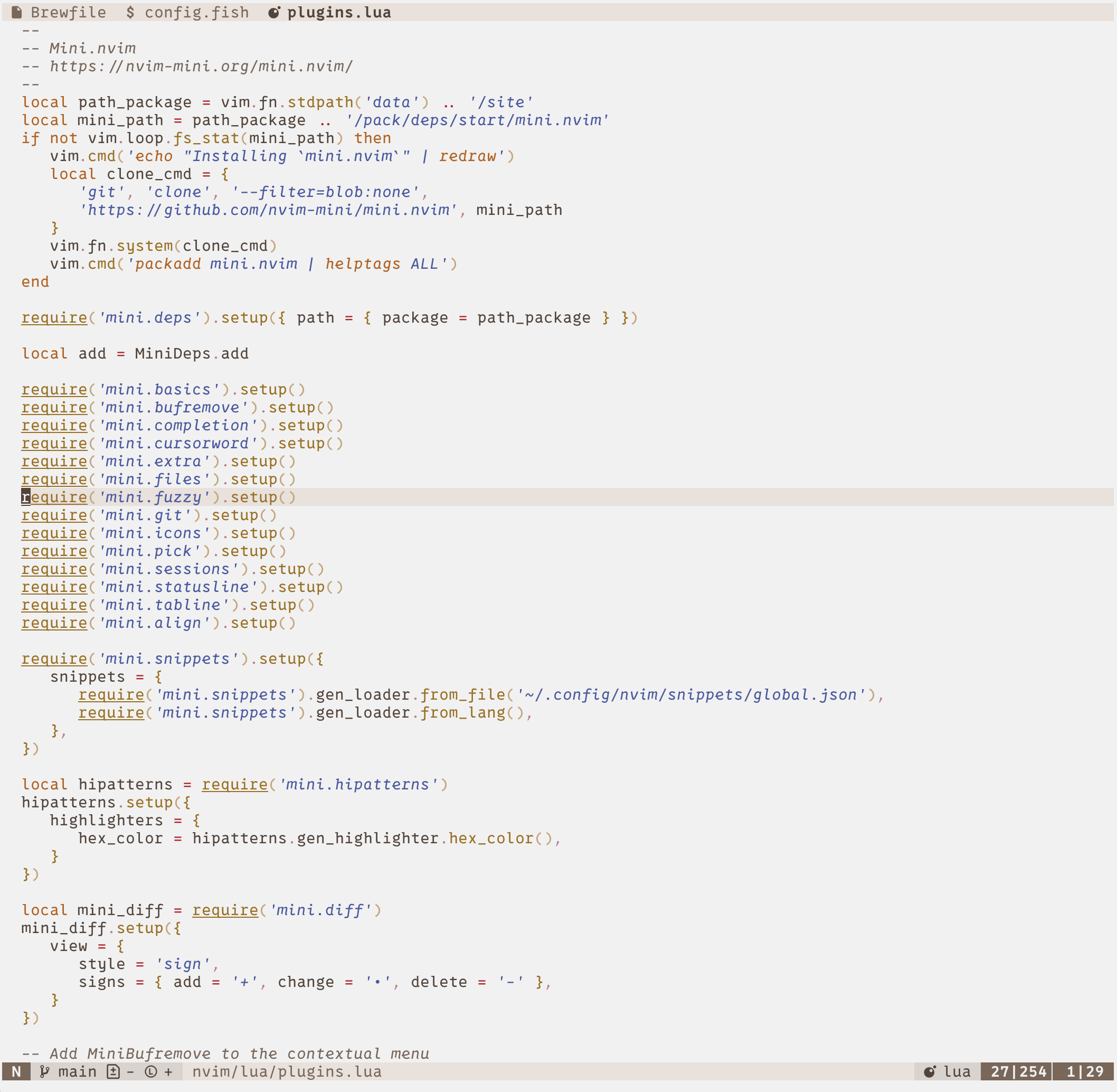
0xProto
Although I enjoy trying different fonts, I keep returning to 0xProto.
Lima
Lima is useful both for virtual machines and as a container runtime. I’m experimenting to see if Lima can replace OrbStack as OrbStack requires a paid license. I also plan to try Apple Container this year.
To use Lima as a container runtime, install the docker template and set DOCKER_HOST in your environment.
# first run `limactl start template://docker`

# config.fish
if type -q limactl
    set -gx DOCKER_HOST (limactl list docker --format 'unix://{{.Dir}}/sock/docker.sock')
end
Fish
The fish shell comes with sensible defaults and helpful features such as autocomplete and Git status built in.
Homebrew
Homebrew is the package manager for macOS with the least friction. I avoid using to install software where multiple versions might be an issue, however. I manage those with asdf (keep reading).
asdf
asdf is a general-purpose version manager. I use it to manage versions of Elixir, Node, and Python. I plan to try uv for managing Python versions this year.
Dotfiles
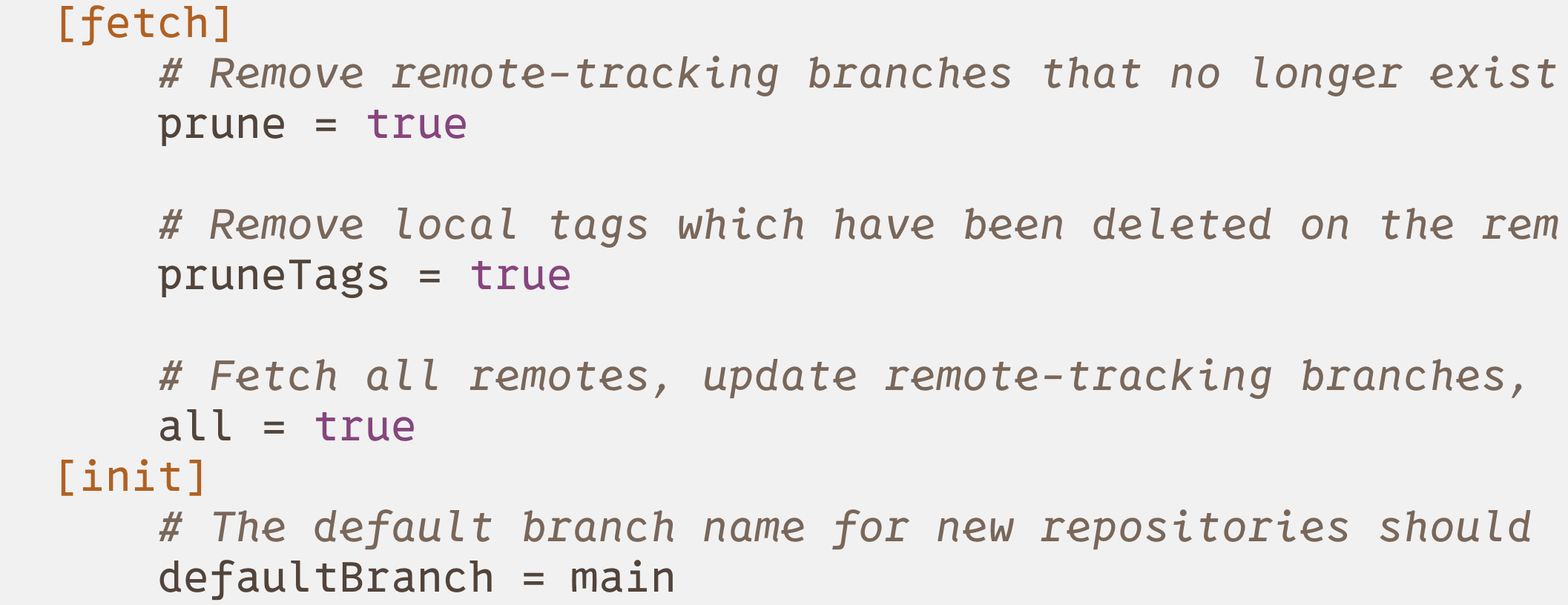
In general I prefer tools which require minimal configuration. My Fish, Ghostty, Git, and Neovim configs are publicly available.
Ghostty
Ghostty is a minimal cross-platform terminal with a native UI for macOS. It pairs well with Neovim.
Nix/NixOS
I would love to try NixOS and the Nix package manager this year.